Implant Restorations in Capitol Hill

Implant Restorations
In Capitol Hill

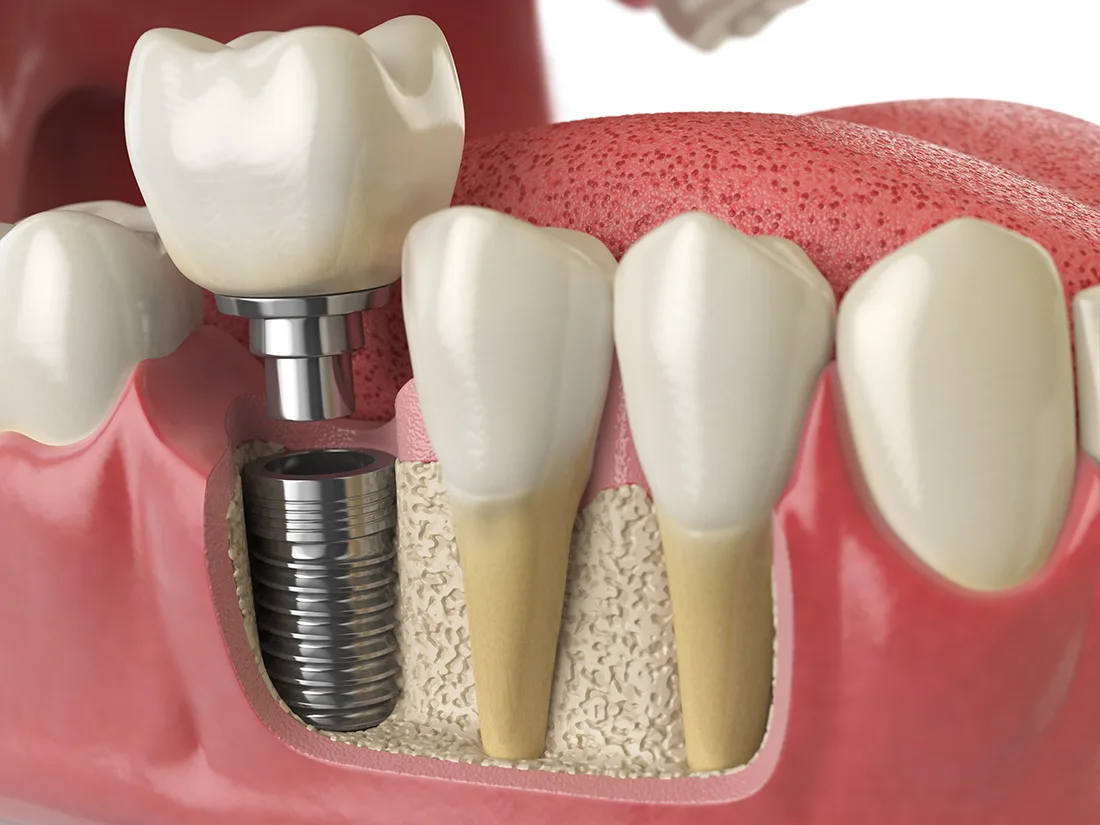
Dental implants are the best way to replace missing teeth. But an implant alone will only replace a tooth's root. An implant restoration, like a crown, is the part that restores your smile.
Book Now
Call (999) 999-9999

Why should I get an implant restoration?

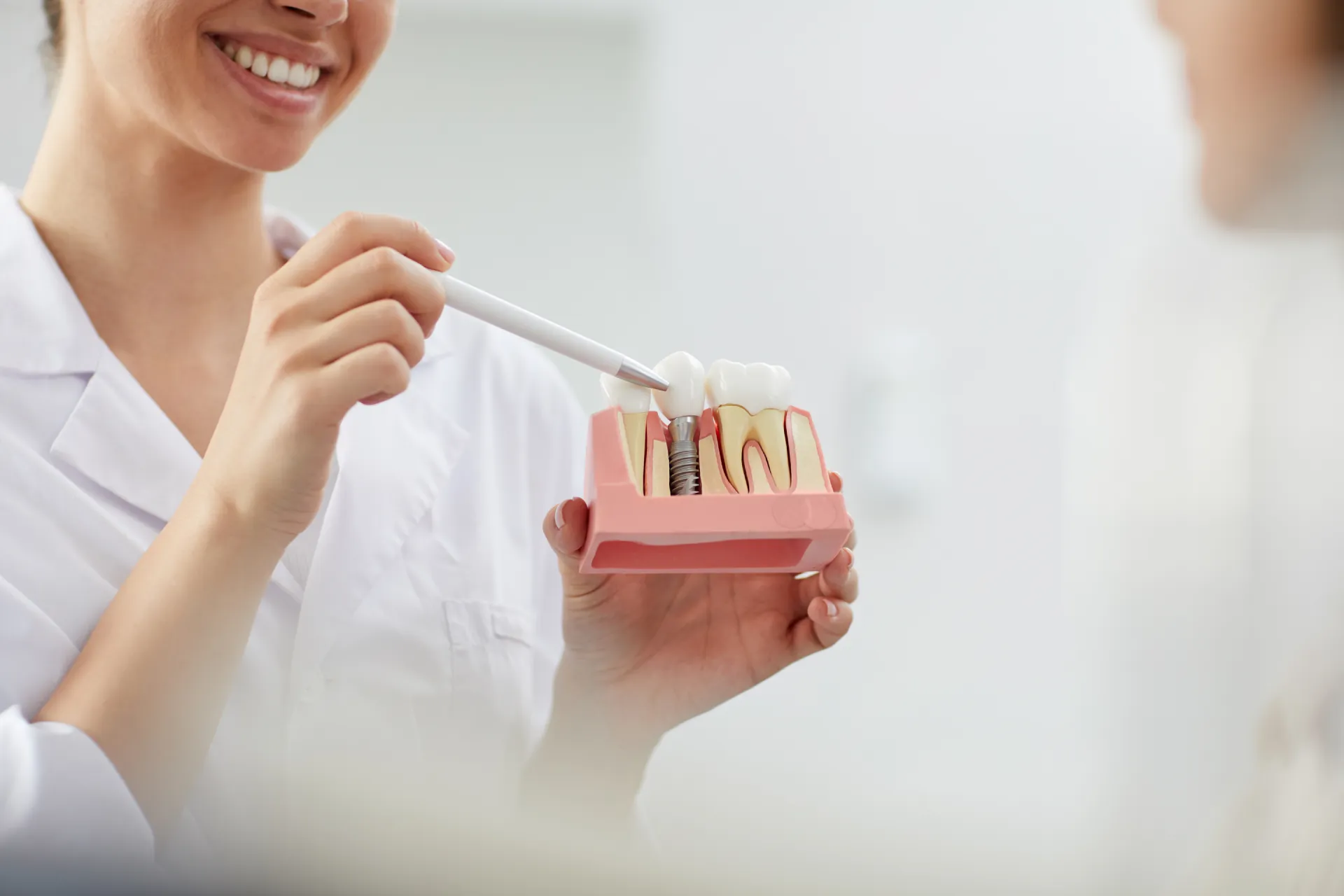
Implant restorations are a necessary part of any dental implant treatment plan. The implant itself is just a small piece of metal that acts as an artificial tooth root. To restore the tooth completely, you need a restoration like a dental crown, bridge, or set of dentures. Together, your dental implant and your implant restoration will keep you smiling for decades to come.
No items found.

Keeping Care Accessible

Everyone deserves to love their smile. That’s why we make it easy to pay for your treatment in a way that fits your budget and lifestyle.

Insurance-Friendly Practice

Healthcare financing options

Book Now
Call (999) 999-9999
No items found.

The Benefits of Implant Restorations

Versatile Smile Restoration

Implant restorations can be used to replace one tooth with a crown, multiple teeth with a bridge, or a full mouth of teeth with implant-supported dentures. Implant restorations look, feel, and function just like real teeth. No matter how many teeth you’ve lost, you may be a good candidate for treatment with dental implants and an implant restoration.

Long-Lasting Results

When you care for them properly, your dental implants and your restorations could last decades. This is much longer than alternatives like dentures and traditional dental bridges, which makes implants a great long-term investment.

Minimal Special Care

If you get a single-tooth restoration with an implant crown, you can just treat it like a normal tooth, and it’s easy to care for implant-supported bridges and dentures, too. This makes your life more convenient.

Our Difference

Single Implant Crowns

Dental crowns are the most common implant restoration, and are used to restore a single missing tooth. They function exactly as a natural tooth does, and they blend seamlessly with the rest of your smile.

Smile Confidently With Full-Arch Restorations

If you’re missing most or all of your teeth, a full-arch restoration can give you your smile back, without relying on uncomfortable dentures. Using several dental implants, we can anchor a durable, beautiful new smile that you’ll be proud to show off.

Replace Several Teeth With Implant-Supported Bridges

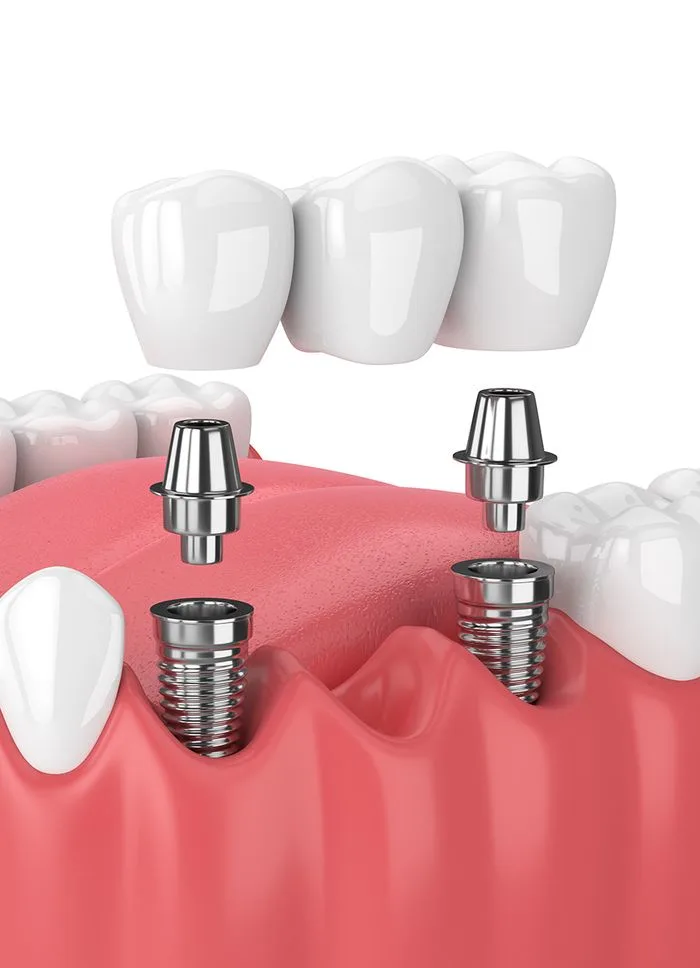
A dental bridge is used to replace several missing teeth in a row. An implant-supported bridge performs the same function, only it is attached to a dental implant instead of a natural tooth.

Previous
Next

The Implant Restoration Treatment Process

Dental Implant Placement

To begin the process, your dentist will need to place one or more dental implants into your mouth. After this surgery is done, it may take up to 6 months for your mouth to fully heal.

Follow-Ups & Building The Restoration

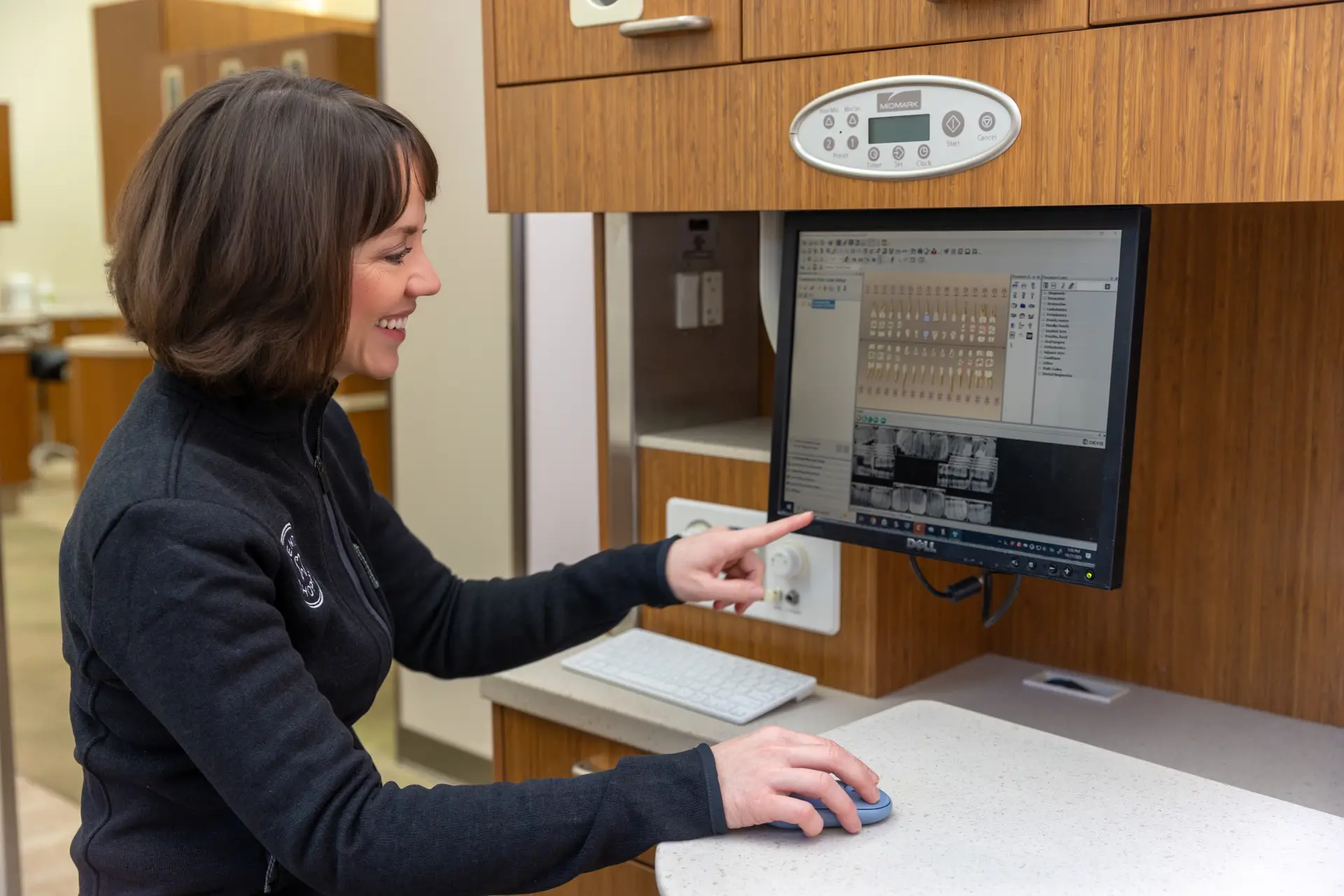
After your implants are in place, you’ll come back to our office for a few follow-ups. During this time, your dentist will check your recovery. They will also take impressions or models of your mouth, and use these to begin designing and crafting your final implant restoration.

Final Dental Implant Restoration

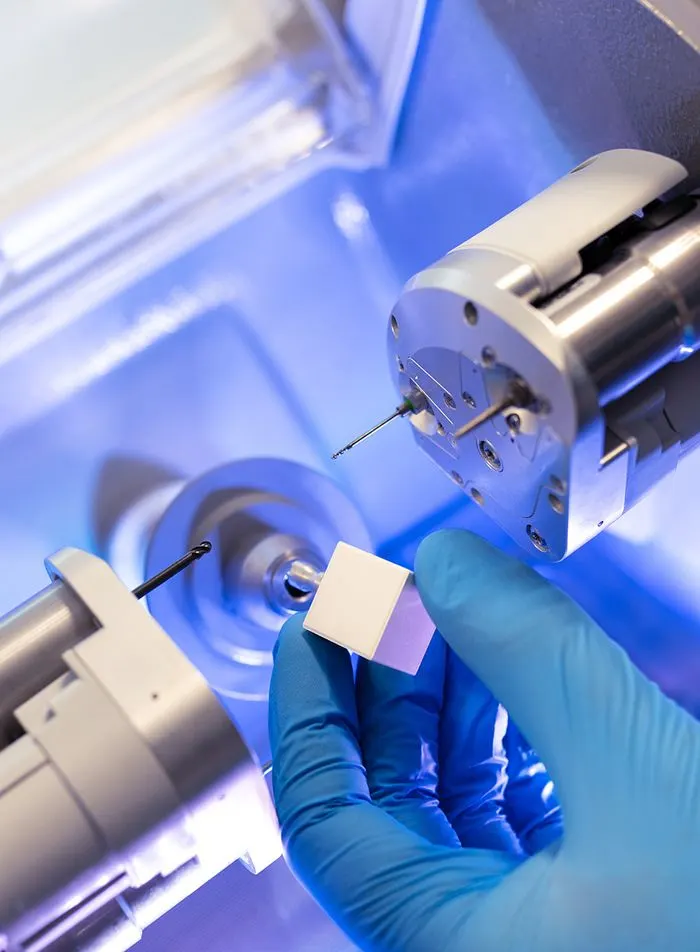
Once your mouth is healed, your dentist will fabricate your permanent implant restoration with the help of a dental lab. When it arrives at our office, you’ll come in for one last appointment. Your dentist will check the restoration to make sure it fits. Then they will bond it to your implant permanently and send you home to enjoy your brand-new smile.

FAQs

Frequently
Asked Questions

Check out these frequently asked questions, or call us to speak with our team.

Book Now
Call (999) 999-9999

Dental crowns are the most common type of dental implant restoration, and they attach to one implant to restore a single tooth. Implant-supported bridges are also an option. These use two implants to support a row of 3+ missing teeth.

Implant-supported dentures are also an option for some patients. These are full rows of teeth that attach to 4-6 implants in the upper, lower, or both arches of your mouth. Depending on the type of denture, they may either be removable, or they may be permanently fixed in place.

Dental insurance may cover implant restorations—like crowns or bridges attached to implants—but usually only partially. These are often classified as major procedures, so plans typically pay a percentage of the cost rather than the full amount, and coverage can vary widely. In many cases, patients should expect some out-of-pocket expenses.

If you have questions about your plan and what is covered, it's best to get in touch with your insurance provider directly.