

TMJ/TMD TreatmentIn Capitol Hill
Jaw clicking, soreness, or tension can compromise your comfort and keep you from chewing with natural ease. This pain often stems from TMJ/TMD, a jaw disorder that can be resolved with a variety of minimally invasive, tailored treatments. Find relief with solutions from your dentist today.

Why Should I Get TMJ/TMD Treatment?
TMJ/TMD treatment is the best way to restore your oral range of motion, eliminate your pain, and get you back to your day-to-day routine. The pain and discomfort of TMJ/TMD can be extreme, and it can stop you from eating your favorite foods, chewing normally, or even speaking without pain and discomfort. Jaw issues like TMJ/TMD won’t get better on their own, and may even get worse over time. Contact us for a consultation right away. We’ll get to the bottom of the problem, give you a diagnosis, and provide the care you need for a healthy, functional, pain-free jaw.
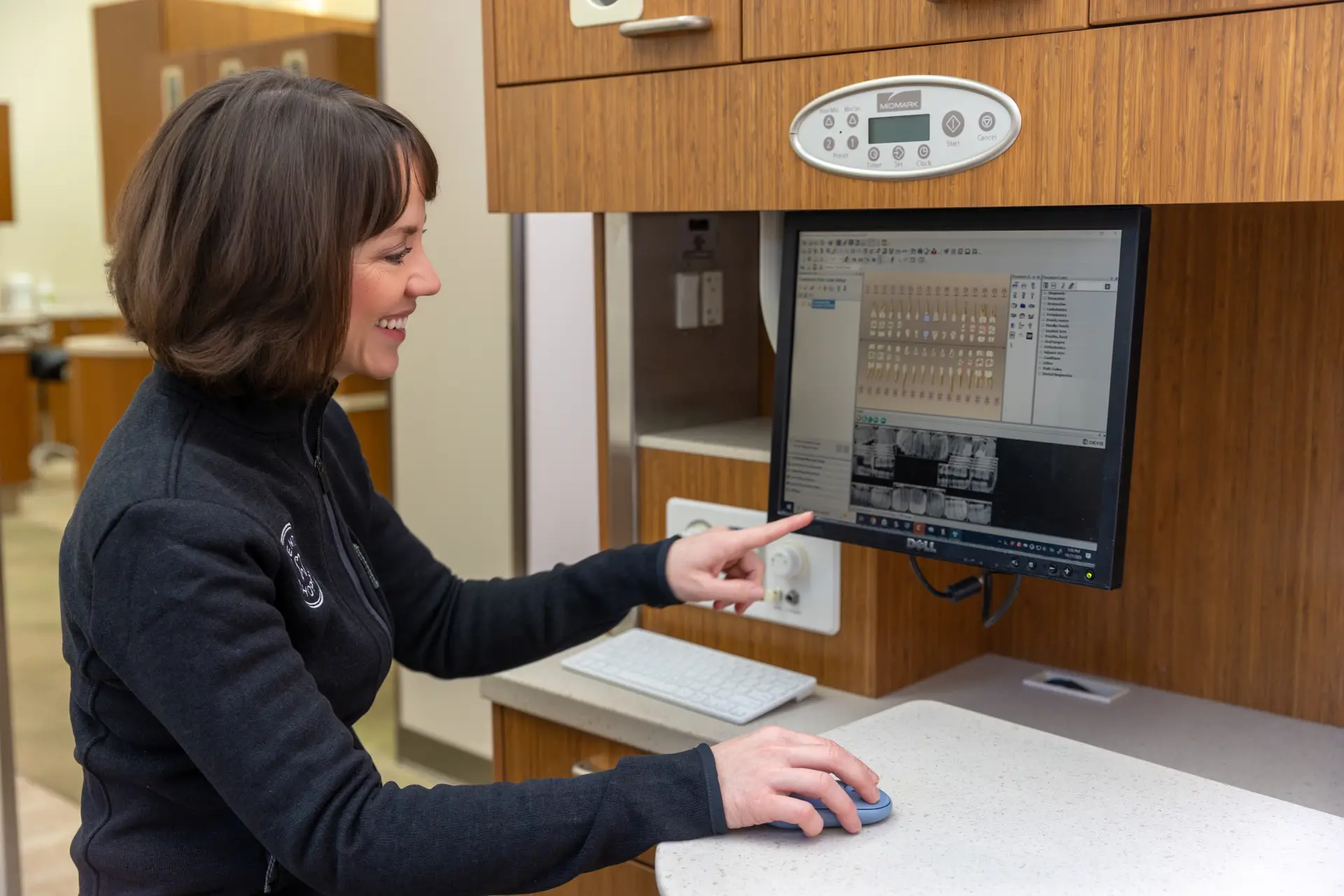


The TMJ/TMD Treatment Process

Initial Consultation & Diagnosis
TMJ/TMD can be caused by lots of different things, from jaw overuse (like excessive gum chewing or teeth grinding) to direct trauma to the joint, and even some auto-immune problems like arthritis in the joint. So the first step is to come to our office for an appointment. Your doctor will perform a comprehensive oral exam, discuss your symptoms, and determine what’s causing your TMJ/TMD.

Developing Your Treatment Plan
Once your dentist has determined the potential causes of your issue, they will work with you to develop a custom treatment plan. This could include things like fabricating a nightguard, Botox injections, and even things like orthodontic treatment with braces or Invisalign.

Lifestyle Changes & Physical Therapy
Along with TMJ/TMD treatment from your dentist, certain lifestyle changes and at-home physical therapy can help improve your oral range of motion and the symptoms of TMJ/TMD. For example, you can choose to eat softer foods for several weeks to help your jaw heal, or you may need to do some jaw exercises to help with your recovery. Your dentist will discuss these topics with you in detail as they develop your treatment plan.